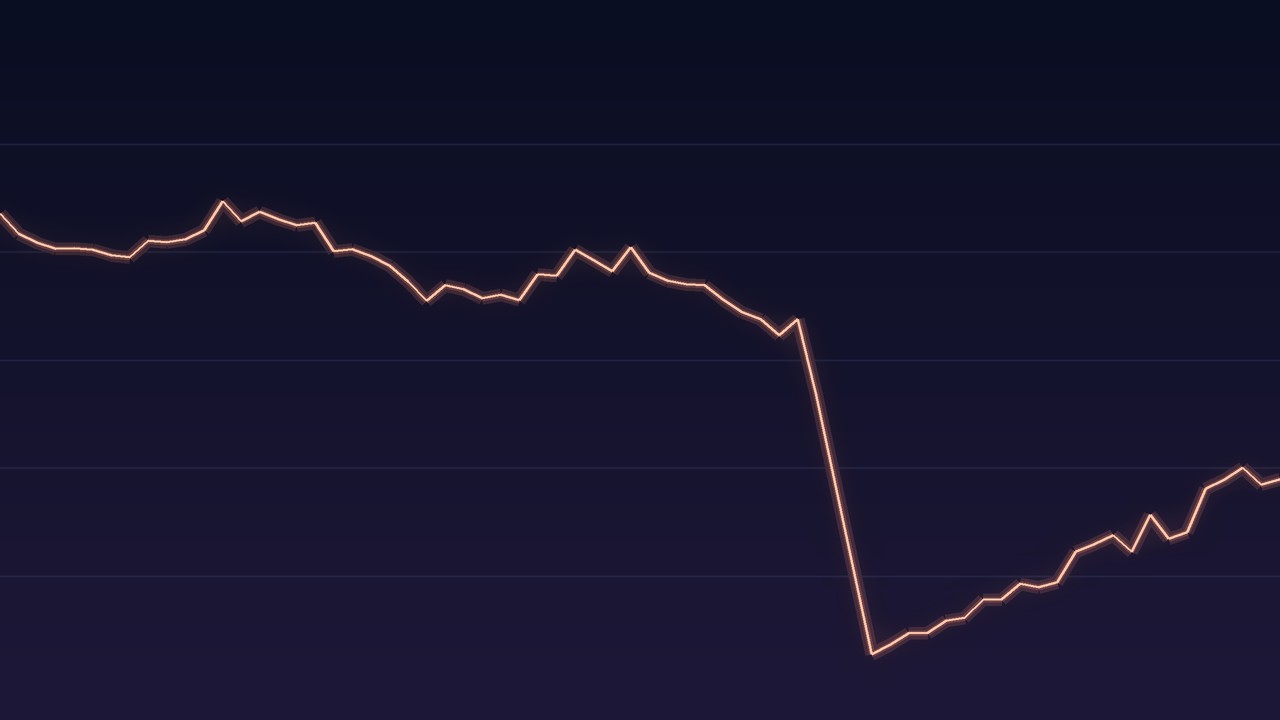
The Nasdaq fell 5.5% while most of us were tucked up in bed on Thursday night. It was the worst single-day drop since the Liberation Day tariff scare in April 2025, and it “wiped out,” as the pundits like to say, roughly US$2 trillion of value.
Only last month the index was sitting at a record high. Now it’s firmly in correction territory.
The trigger was the US midterms and fears that a Democrat-controlled Congress will put the brakes on the AI data centre boom. At least, that was the dominant narrative after the drop.
The day before, the Nasdaq surged on reports that a blue wave would be good for markets, the logic being a reduced chance of escalation in the Iran war and a stronger check on Trump’s agenda.
It’s a good reminder that narrative always follows price. We humans crave a neat story to explain the numbers, even when the story is wrong.
The reality is simpler. Sellers were eager to sell, buyers were hesitant to buy, and prices adjusted accordingly.
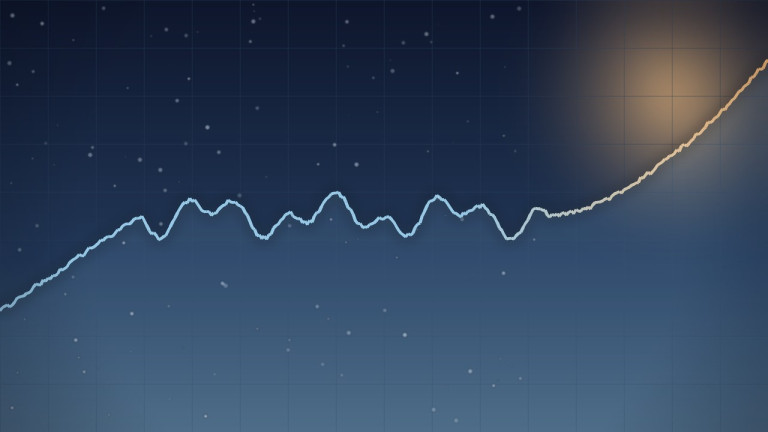
The drop was steeper than usual, but by no means unprecedented. The Nasdaq has weathered moves like this, or worse, at least ten times over the last decade. Yet over that same period it has delivered an annualised return of roughly 15%, even after this week’s drop.
None of this is to make light of the plunge, or to suggest that feeling uneasy is irrational and you should blindly keep buying.
But if you’re genuinely shocked by events like this, it’s time to check your expectations. A 10% pullback is routine. A drop closer to 20% arrives every few years. And a few times in your investing life, you’ll live through something truly ugly.
Could this be the start of one of those times? I have no idea.
But even if conditions deteriorate, I remain confident in the assets I own. For the most part, they’ll be valued far higher at some point in the future, and I never intended to sell any of them anytime soon anyway.
Don’t get me wrong. Up is far better than down, and a nasty, drawn-out rout is a miserable experience. But compared to a permanent loss of capital, a market drawdown is a temporary nuisance rather than a disaster.
If prices slide further, my chief frustration will be having little spare cash to deploy. I’m fully invested, and I generally prefer to stay that way.
I’m not blind to the risks. A shift in market sentiment just doesn’t change my assessment of the fundamentals, and none of the risks that actually matter have anything to do with short-term price volatility.
In fact, volatility is a gift to the far-sighted, independent-minded and patient investor. Without it, shares would offer cash-like returns.
Why would anyone take risk elsewhere if they could lock in a 10% annual return without fluctuation? They wouldn’t. Capital would flood in, bidding prices up until future returns shrank to match the lack of risk.
That’s precisely why markets reward investors with attractive long-term averages. Volatility is the price of admission, an entry fee everyone assumes they’re willing to pay until the bill actually comes due.
You know this, of course. But markets have a way of testing conviction, and a timely reminder of the fundamentals is rarely wasted.
Disclaimer– Strawman is not a broker and you cannot purchase shares through the platform. All trades on Strawman use play money and are intended only as a tool to gain experience and have fun. No content on Strawman should be considered an inducement to buy or sell real world financial securities, and you should seek professional advice before making any investment decisions.