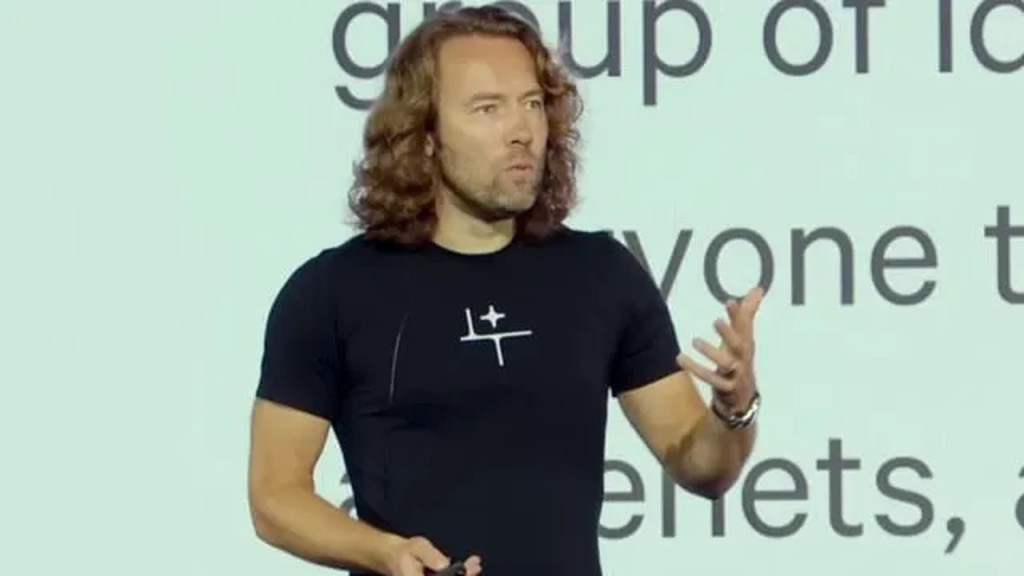
I have a bit of a man crush on David Heinemeier Hansson. Most programmers know him as DHH, the guy who built Ruby on Rails and co-founded 37signals. I stumbled across his work while reading up on artificial intelligence, and while I really like his take on all that, his philosophy on business is also pretty refreshing.
In an industry drunk on venture capital, burn rates, and top-line growth at any cost, he and his partner Jason Fried took an unfashionable path. They bootstrapped products like Basecamp and HEY into profitable software companies without taking external capital or running their staff into the ground.
The playbook comes down to something stupidly straightforward: start with an actual problem. Cut hair, fix cars, balance accounts, relieve boredom. If a business removes a genuine pain point for a customer, it creates economic value. If it doesn’t, it dies (unless it happens to enjoy some cosy government protection).
This sounds obvious over a beer, yet public markets are full of businesses trading on twenty times sales that can’t explain in plain English what, exactly, they really do.
As an investor, if you can’t articulate what problem is being solved, and why this business can do it better than most, you have no business owning the stock.
Then look at the people inside the building. A company is just a collection of human beings organised around a common task. Talent counts, of course, but incentives and culture decide the score. A small group of capable people pulling in the same direction will run rings around a bloated corporate department every day of the week. Big teams breed politics, endless committee meetings, and bureaucratic sludge. Small teams move quickly because there is nowhere to hide.
Also, as DHH says, there is zero honour in working eighty-hour weeks, even though lots of people seem to think it’s a bit of a flex. Or just what is needed to obtain success. Past forty hours (on average), diminishing returns kick in pretty hard. Tired staff make dumb mistakes, grow bitter, and eventually quit. Sensible hours keep people fresh, and keeping people fresh protects the business.
Sometimes you have to push harder, of course. But it’s unsustainable in the long term, as well as entirely counter-productive.
Humility is also vital, and tends to be severely lacking in most companies that have enjoyed some past wins. Success in one niche rarely translates to another, yet corporate history is littered with executives who struck gold once, concluded they were geniuses, and poured millions into ventures where they had zero competitive advantage.
Of course, if a company has clear avenues to deploy capital at high rates of return, then it should absolutely go for it! But when those opportunities are absent, management should swallow their pride and hand the cash back to owners. Settling for steady cash flow and lower growth beats torching money on vanity projects every day of the week.
Cost control is part of the same discipline. Most listed companies treat cost-cutting like emergency surgery. They roll it out only when revenue dries up. But that’s simply an admission of guilt. It means you were lazy when times were good.
A dollar saved on overhead drops straight through to the bottom line, whereas an extra dollar of revenue is eaten up by cost of goods and operating expenses. When 37signals left the cloud, they slashed their annual hosting bill by over $2 million – money that could go straight to the owners (or new opportunities), and that would have required about $10 million in new sales for the same result.
Slashing waste is unglamorous, but super important. And allowing bloat to build up is pure negligence.
All of that is nice, but no business can ever afford to stand still. You absolutely still need to try new things, and there’s no way to do that without risking a bit of capital. The trick is keeping the bets small. Most experiments fail because business is brutally difficult. You take small shots on goal, kill the failures quickly, and back the ones that work. As Rob over at LaserBond (ASX:LBL) put it in our recent chat: if you are not innovating, you are dying.
You just don’t want management to be too gung-ho, and forget that capturing lightning in a bottle is diabolically hard.
When you string these pieces together, you get the quiet power of knowing what is enough. A great business solves a clear problem, nurtures its people, knows its limits, and treats every dollar of shareholder capital like its own.
You will rarely spot that temperament in a single quarterly update. Over a decade, however, the numbers tell the tale: high returns on equity, stubborn gross margins, low staff turnover, and management that is happy to sit on their hands when the pitch is not there.
Finding those companies is rare. And holding on to them requires a huge amount of discipline. But they’ll reward you far more than any flashy growth story run by people whose only skill is in selling the dream.
Strawman is Australia’s premier online investment club.
Members share research & recommendations on ASX-listed stocks by managing Virtual Portfolios and building Company Reports. By ranking content according to performance and community endorsement, Strawman provides accountable and peer-reviewed investment insights.
Disclaimer– Strawman is not a broker and you cannot purchase shares through the platform. All trades on Strawman use play money and are intended only as a tool to gain experience and have fun. No content on Strawman should be considered an inducement to buy or sell real world financial securities, and you should seek professional advice before making any investment decisions.
© 2026 Strawman Pty Ltd. All rights reserved.